
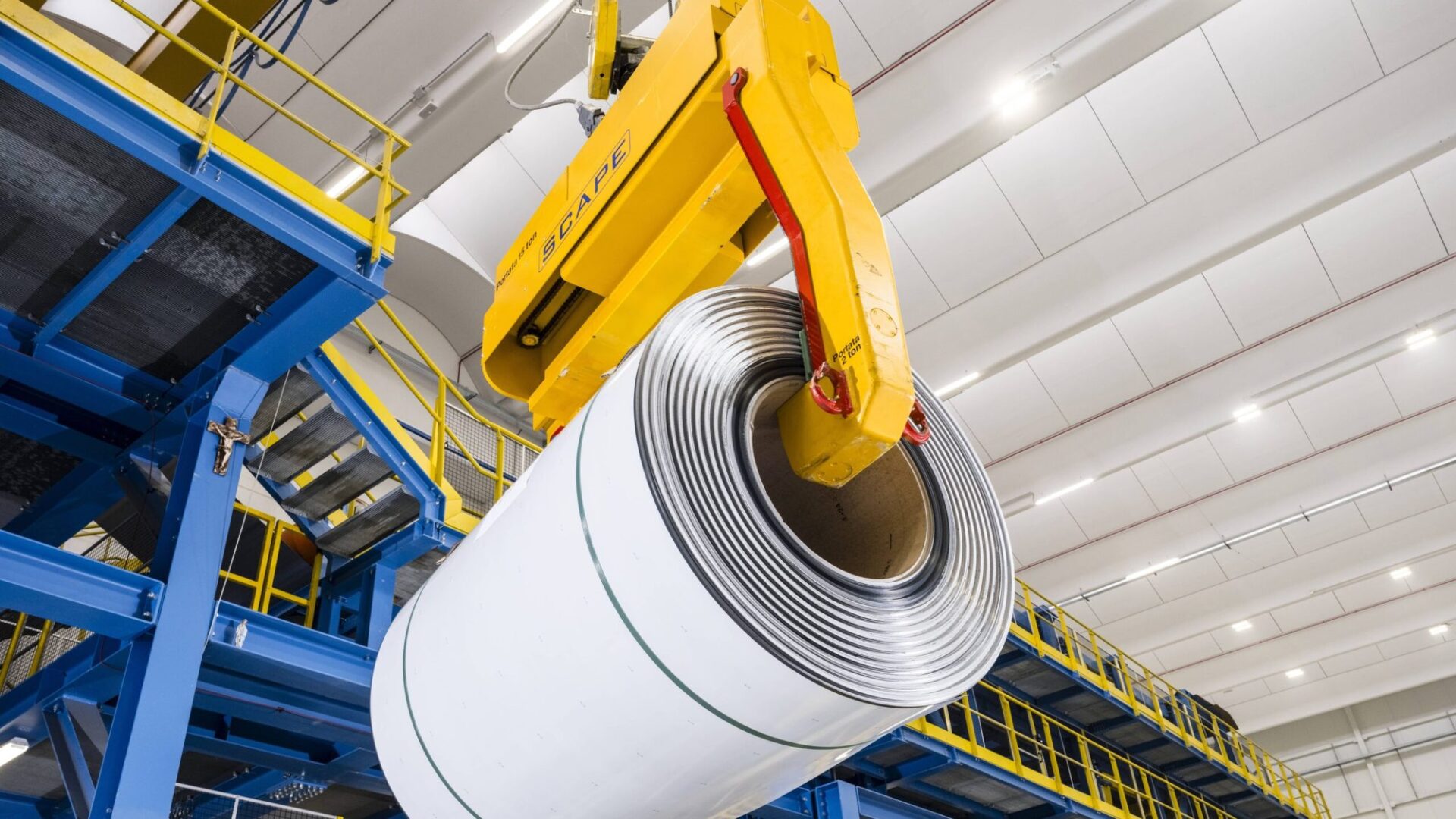
RBF DMAT operates in the market of manufacturers and end users of plants for the processing of metals providing complete electrical equipment, automation and process control systems for new or existing installations.
Type of plants
Flat product
- Processing lines
- Slitting lines
- Flat bar lines
- Cut to length lines
- Flying shears
- Tension levelling lines
- Coil preparation lines
- Coil inspection lines
- Polishing and grinding lines
- Packing Lines
- Milling lines
- Scalping lines
- Ring rolling mills
- Cold rolling mills (skin-pass, 4hi/6hi reversing, tandem, Sendzimir)
- Hot rolling mill (Aluminium)
- Foil Mill (Aluminium)
- Continuous Casting Line (Aluminium)
- Pusher and annealing Furnaces
Forging
Rod and bar products (long rolling)
- Holding/Refining Furnace
- Ingot mould line
- Rod Mill Plant
- Lead Rod Mill Plant
- Bar Steel Rolling Mill
- Continuous Casting
- Wire drawing line
- Pipes Finishing Line
- Dedusting Plant
- Water Plant
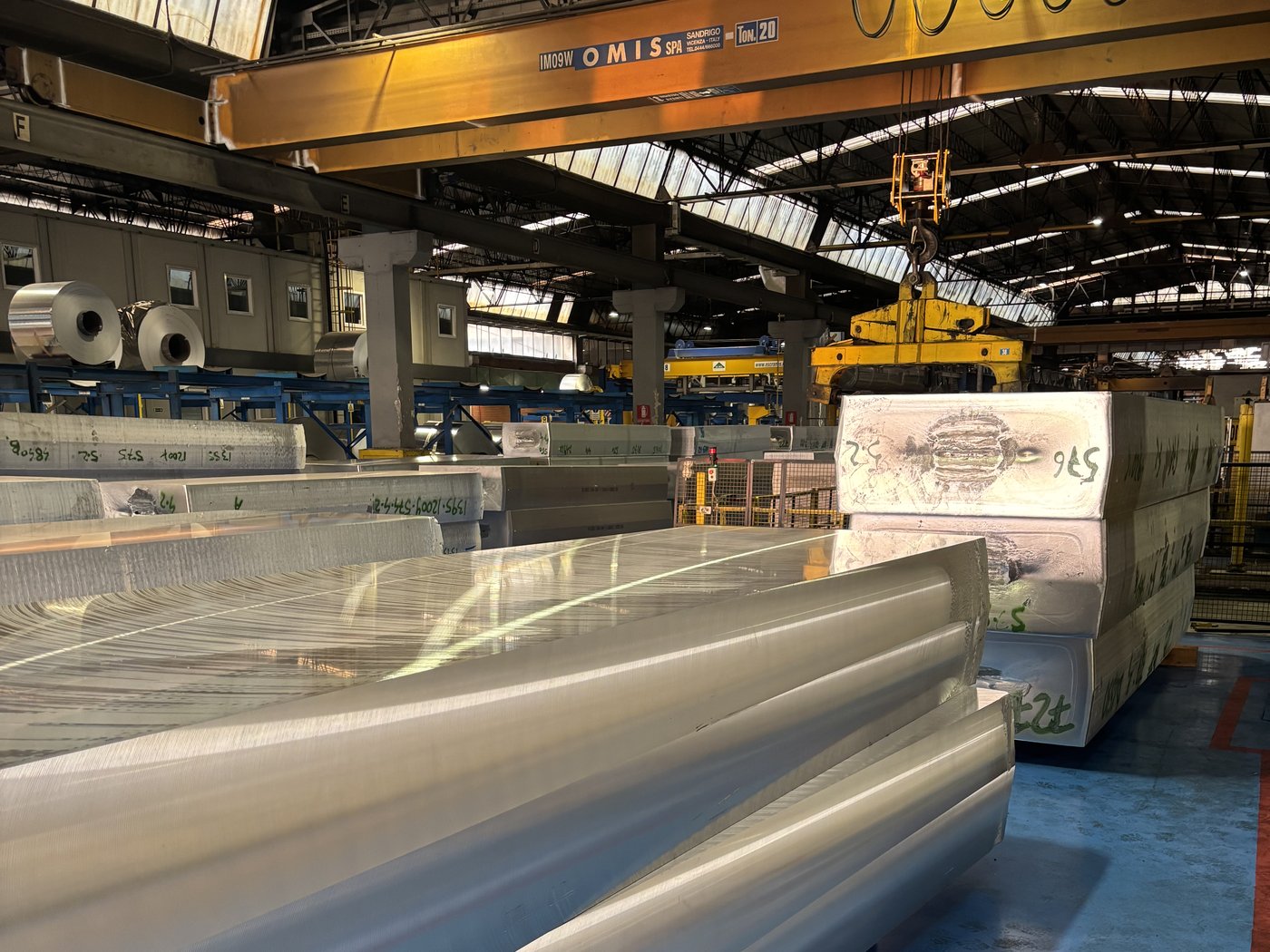
Long products: hot rolling
We also bring our automation to hot bar rolling mills: control pulpit HMIs, rolling recipes and line supervision, from the hot billet all the way to the cooling bed.
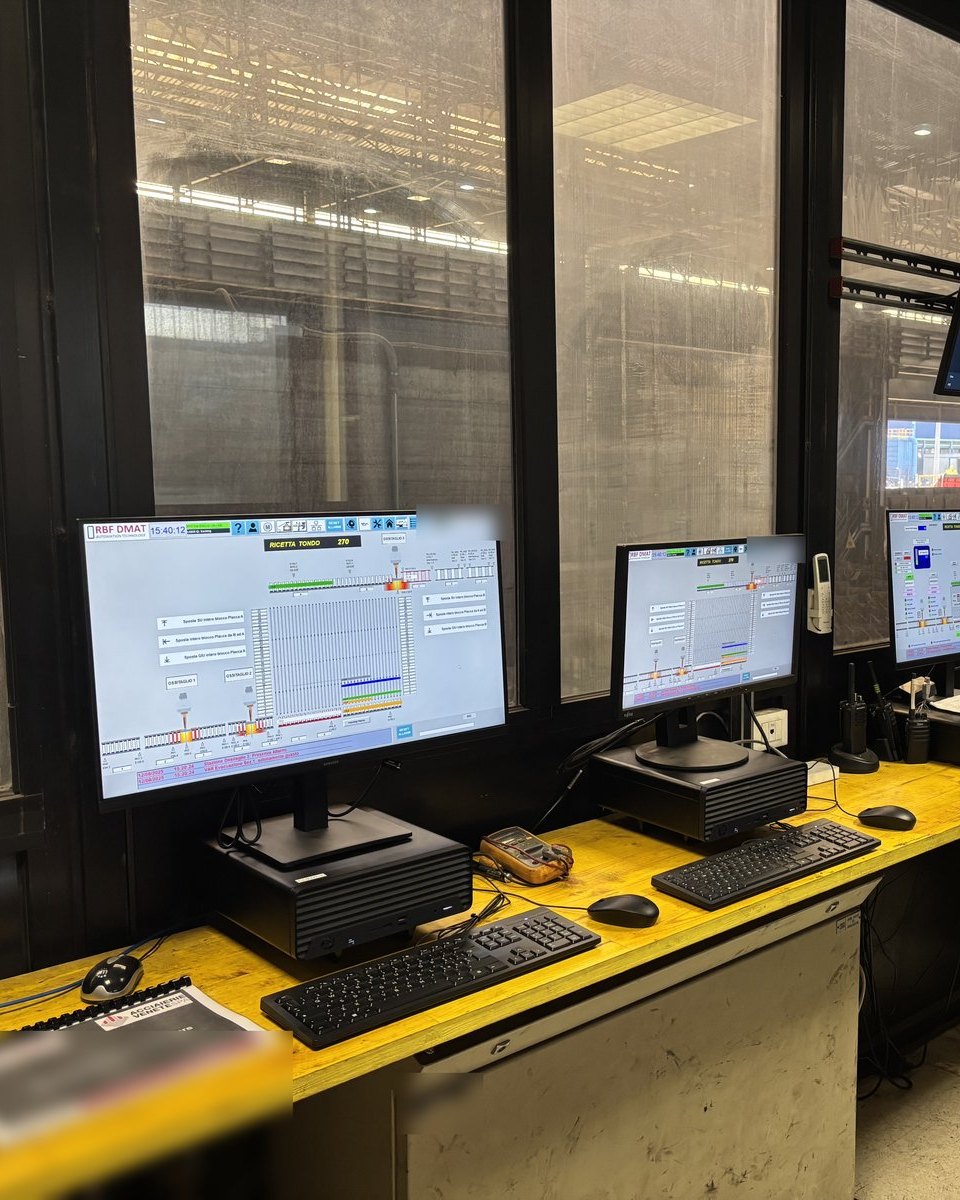
Forgings: ring and shell rolling mills
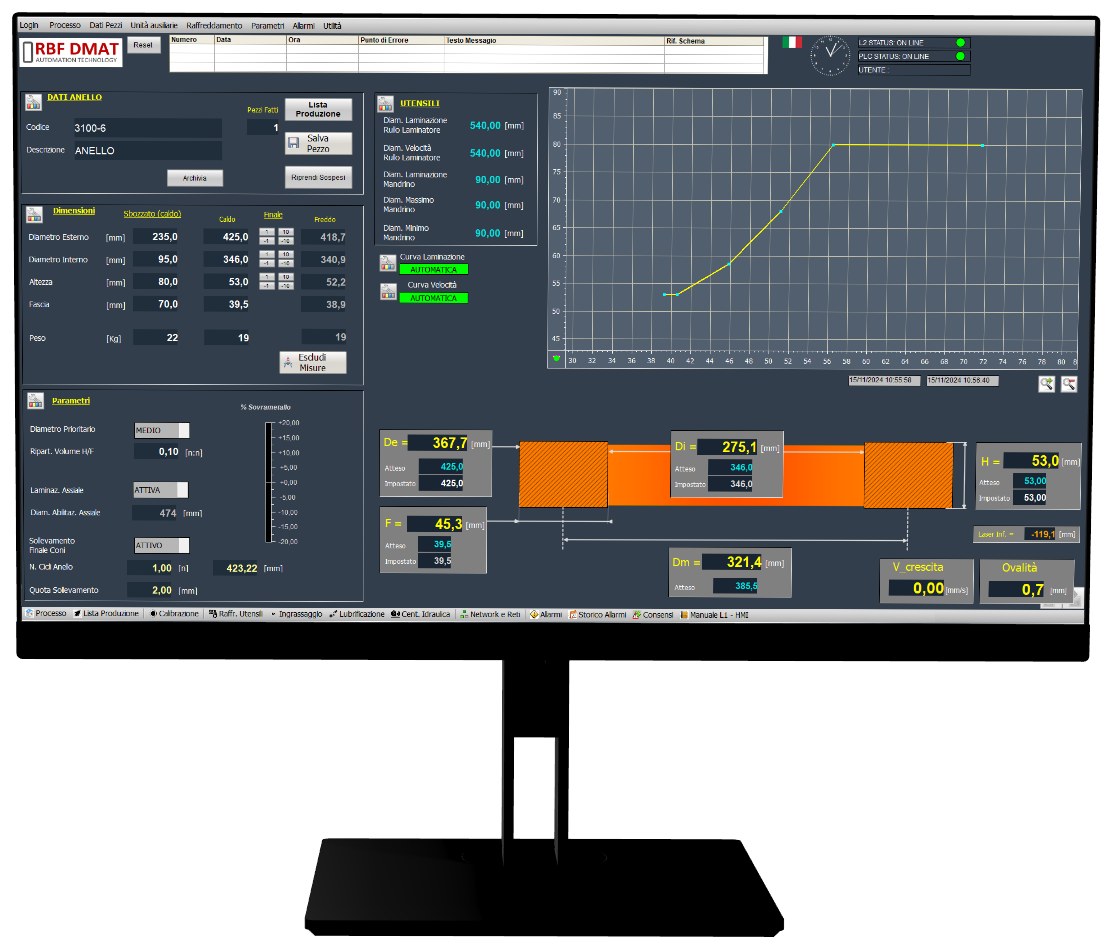
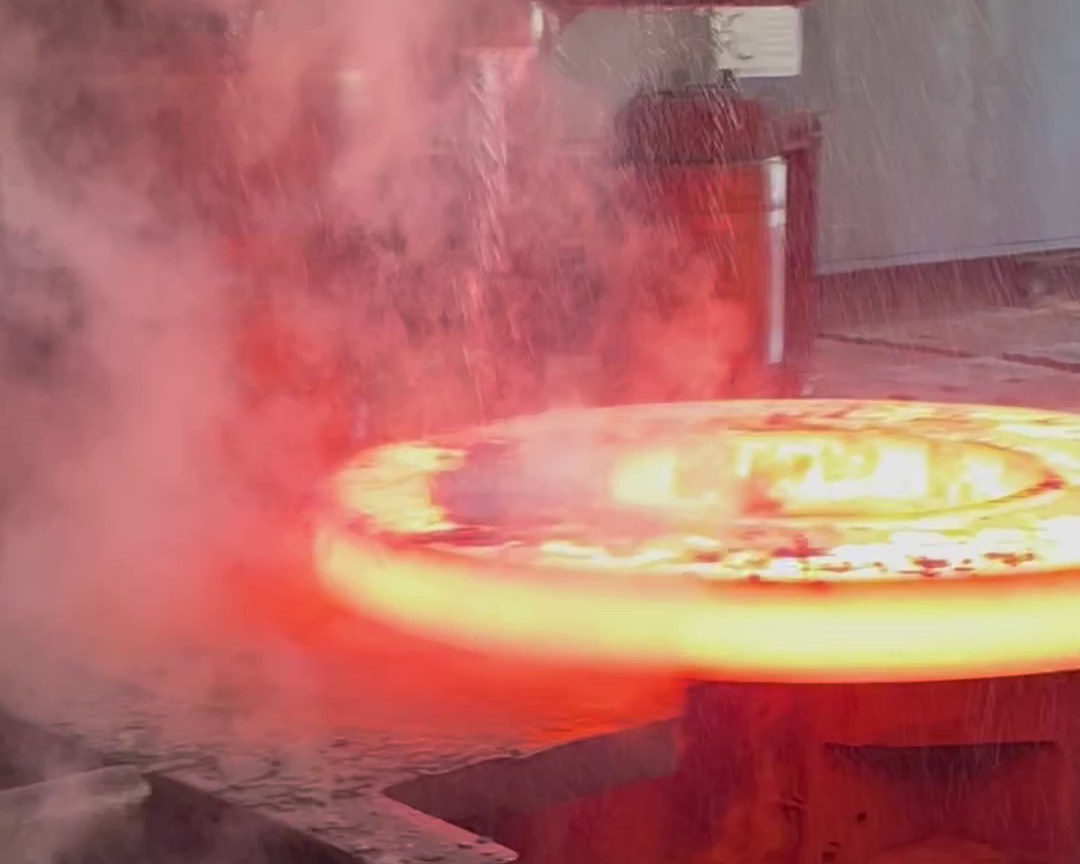
For forges we automate radial-axial ring rolling mills: from small parts produced in robot-served lines up to large rings and shells for the energy, oil & gas and nuclear sectors. In one of the plants we have built, parts reach 10.4 metres in diameter and 5 metres in height. We supply the Level 1 automation, the process control and the Level 2 production management system, connected to the forge’s business management system.
What the system does
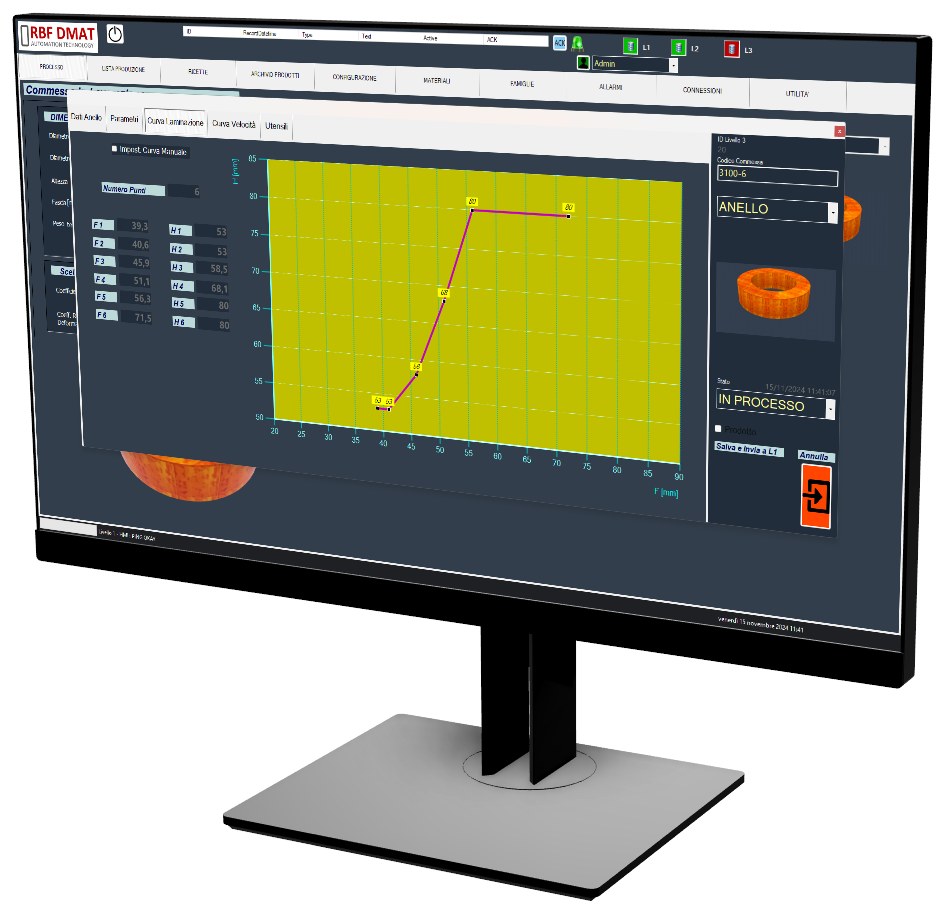
- Product families: thrust bearings, tyres, rings, shells and tubes, classified by height-to-thickness ratio and by diameter, each with its own recipes;
- Calculated rolling curves based on the steel grade, temperatures and geometric constraints, including the diameter growth rate;
- Automatic control of the process with millisecond response times: tighter tolerances, repeatability independent of the operator, less machining allowance and higher yield;
- Recipes from similar production runs: the system proposes the best parameters obtained on similar rings already rolled;
- Machining allowance correction by comparing hot and cold measurements through statistical analysis;
- Multiple heats for the same part: rolling is suspended and resumed at different times, with the history of each heat;
- At the pulpit, the drawing of the finished part and the heat tree, to guide the operator;
- Traceability from the order in the business management system down to the rolled part, with a SQL Server database and connection to Level 1 via OPC.
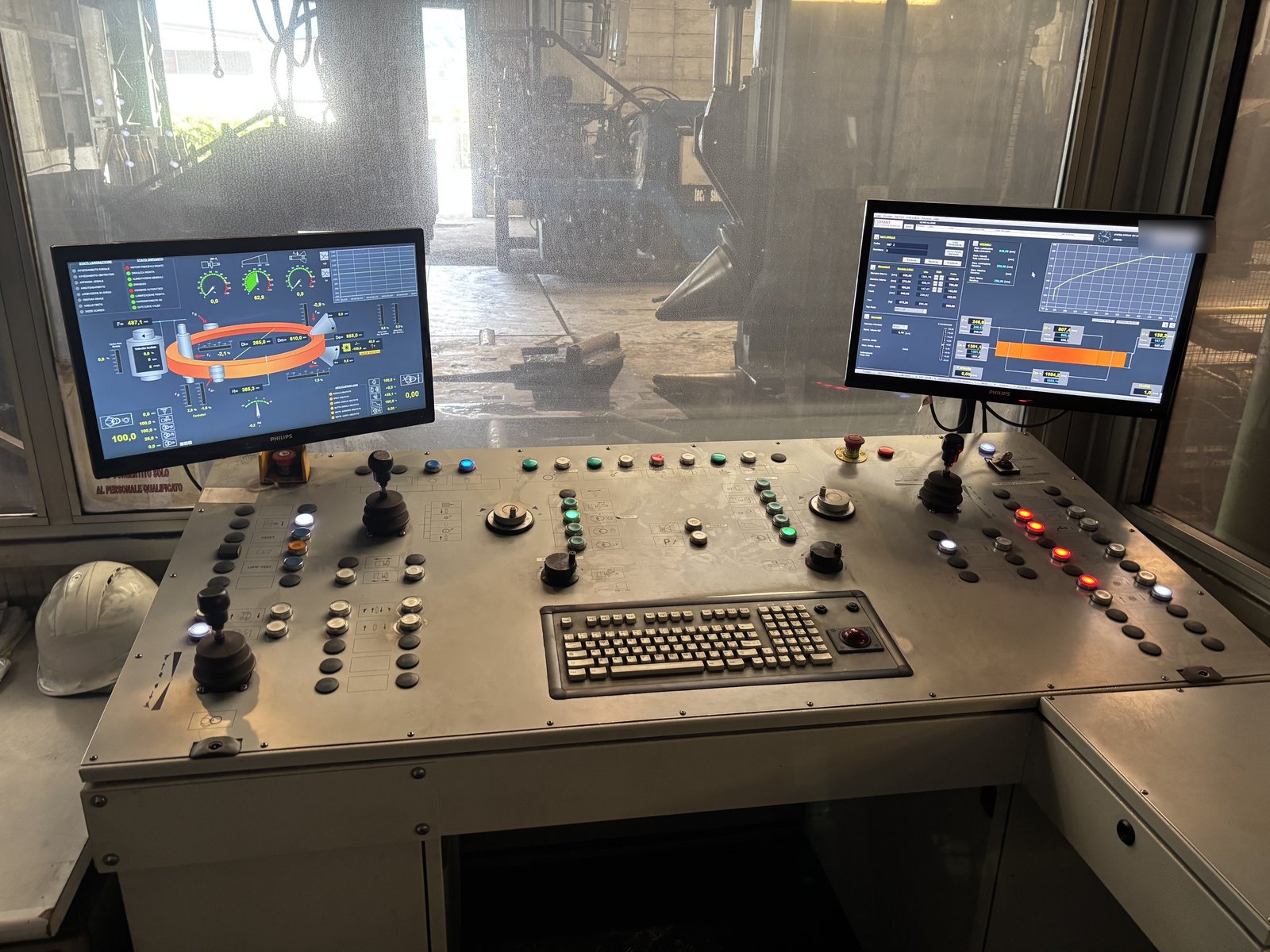
The system was presented at IFM 2024, the International Forgemasters Meeting in Milan.